These are the words of Mother Archange Lebrun, Superior General to the Holy Union Sisters on February 18, 1880, the first anniversary of Father Debrabant's death.
But who was Jean-Baptiste Debrabant? If you search for him on the Internet or in libraries, you will find very little information. A figure almost unknown in our times, he actually had a profound impact not only in the France of his era, but through a work that continues today: the Congregation of the Holy Union and the numerous schools active in various countries, carrying forward his vision of education for children and young people of all social classes. It was a revolutionary idea when it was born and remains necessary today in countries with limited social welfare systems. His vision aligns with one of the objectives in the 2030 Agenda for Sustainable Development: to provide quality, equitable and inclusive education, and promote lifelong learning opportunities for all.
|
|
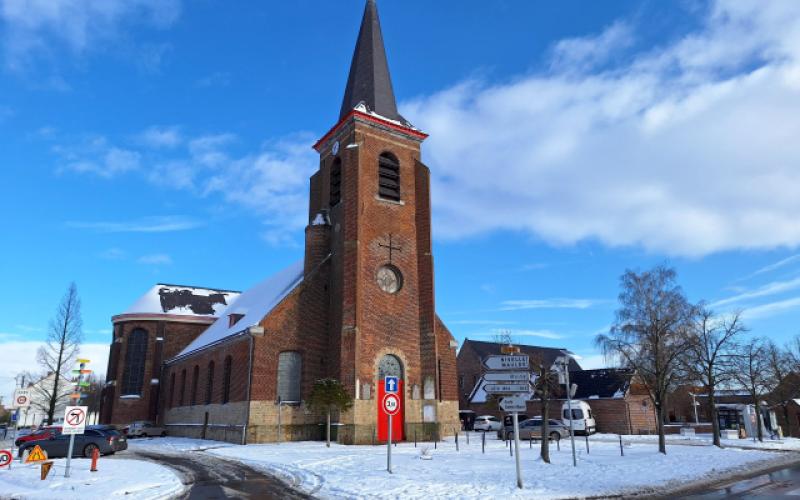
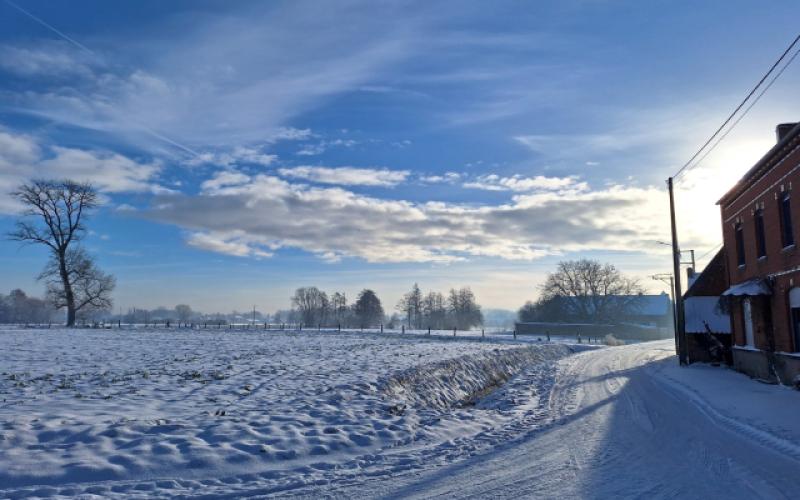
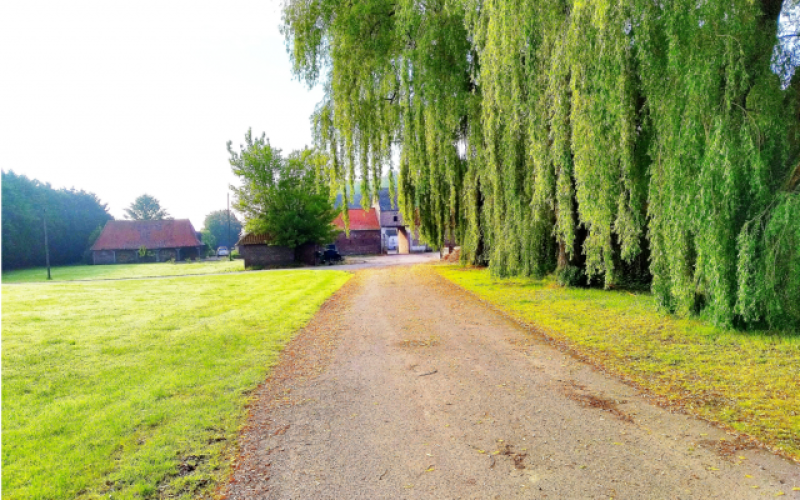
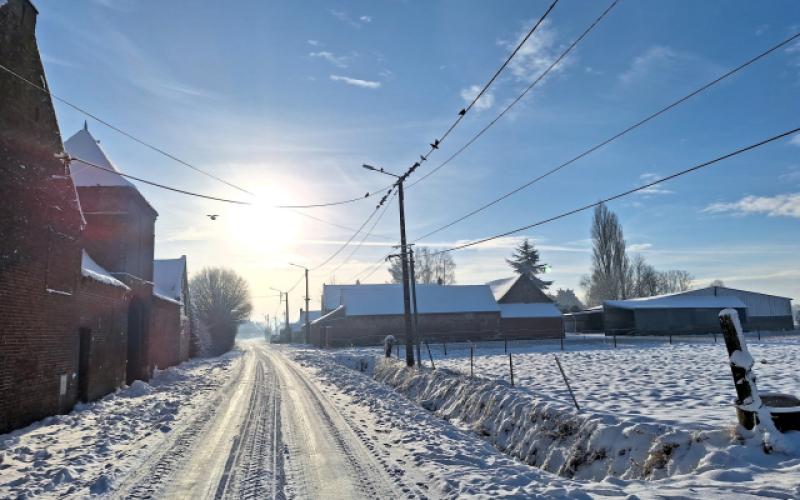
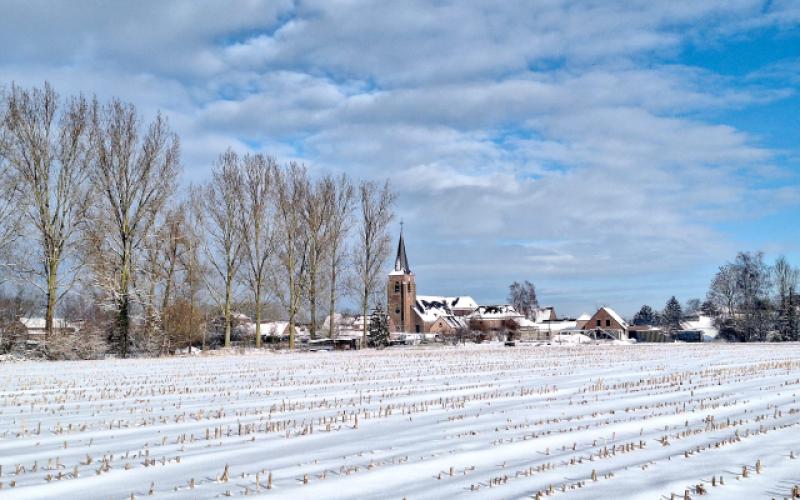
February 18th marks the anniversary of his death in 1880, at the age of 79, in Douai, France—the place where it all began. Born in 1801 to a simple peasant family in Lecelles, a small municipality in northeastern France on the border with Belgium—which did not yet exist as a nation—Jean-Baptiste Debrabant attended school until the age of 11 or 12, before returning to work on the family farm.
In those days, village schools were for boys only. The "petite école" provided just the basics: reading, writing, and arithmetic. Education typically ended at age 11 or 12, the age of First Communion. With his brothers called away to the army, Jean-Baptiste was needed at home as a farmhand. At 17, however, he resumed his studies and entered the seminary. He was ordained at 24, during a time of severe priest shortage. Though he became a parish priest, his early parish experience was quite limited—just six months in Marchiennes before being assigned to Douai and Vred.
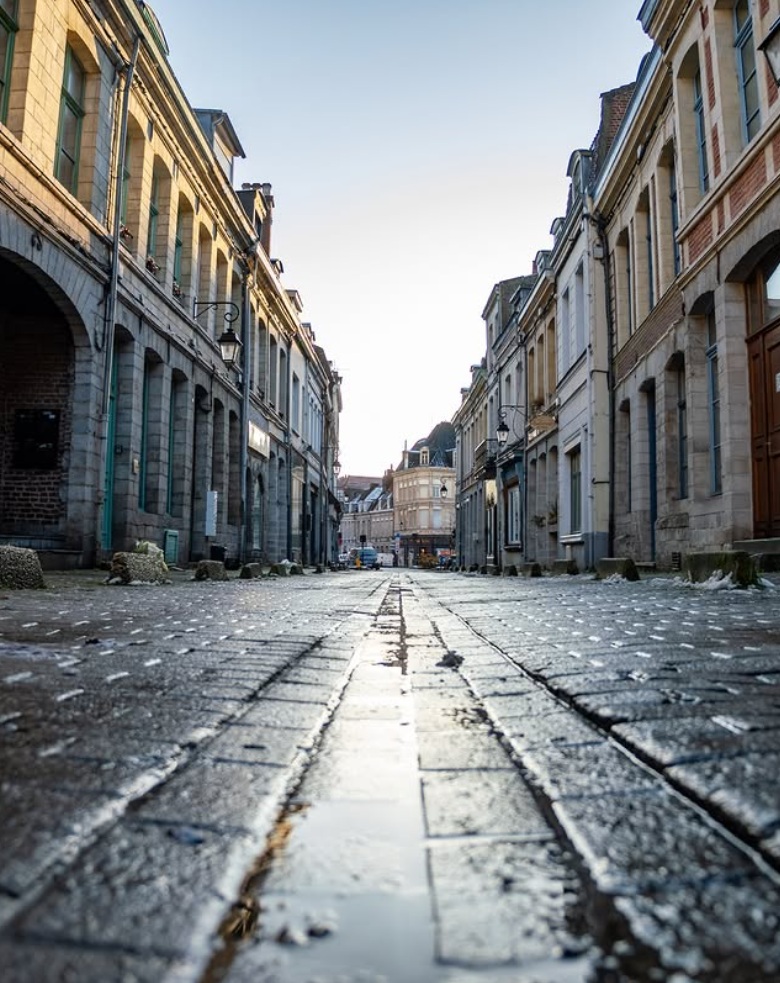
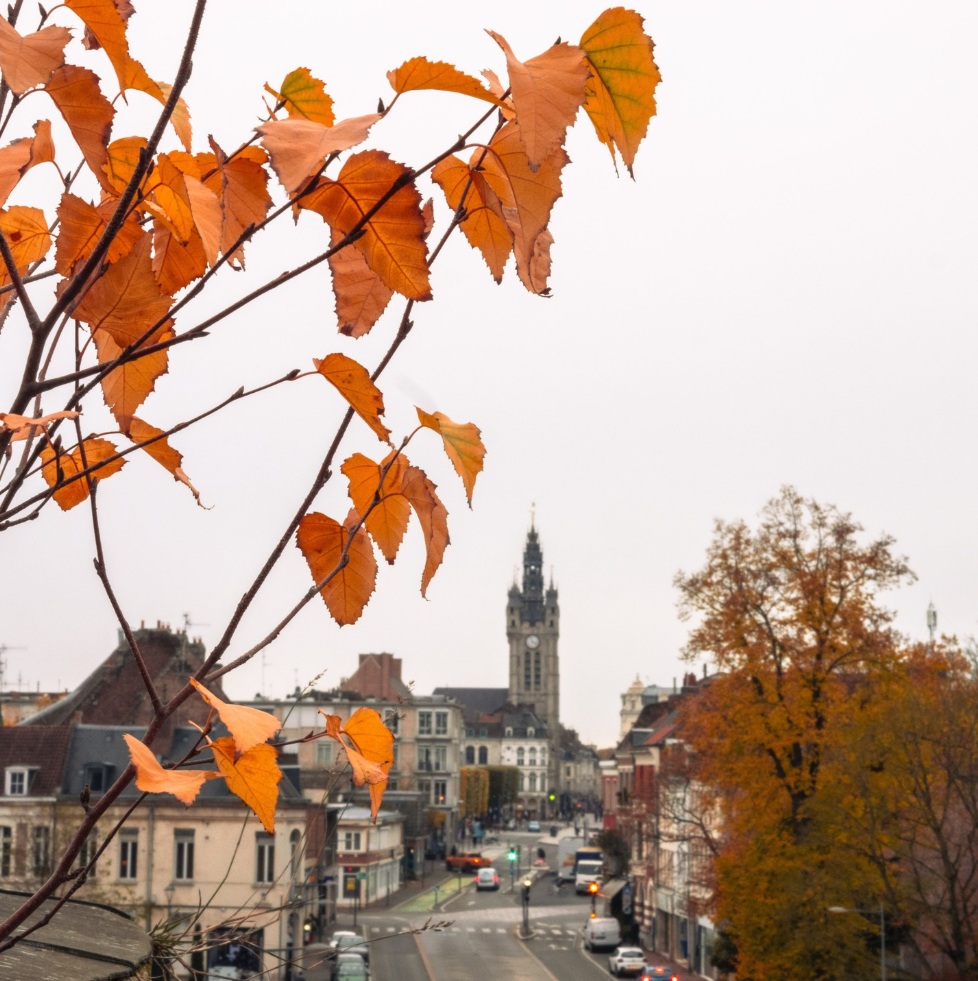
The turning point in his life came with his assignment to St. James Parish in Douai. Douai was a large and important city, once a flourishing center of learning and Catholicism before the Revolution. Founded in 1560, its university had hosted English, Scots, and Irish Colleges—residences for seminarians studying for the priesthood—as well as a monastery of English Benedictines, and communities of Jesuits and Franciscans. The French Revolution had swept all of this away.
St. James Parish was enormous, serving 12,000 parishioners. It encompassed both the town prison and the town poorhouse. The situation in 1826, when Debrabant arrived in Douai, remains unclear.
Among the parish's needleworkers was a remarkable group of four pious women who lived, worked, and prayed together: Louise Mennecier, Lucie Contraine, Marie Garçon and Josephine Pollet. From their window, they could see the poorhouse—a constant reminder of those in need. These women taught neighborhood girls both needlework skills and catechism, supported by the parish priests. When Debrabant arrived, he assumed responsibility for evangelization of his parishioners.
It was here that a transformative encounter took place: between the work already begun by these deeply Christian women, animated by their desire to educate young girls in their faith and teaching them a trade, and the sensitivity of a young priest who envisioned something broader—an education that included both academic learning and Christian formation.
The first seeds of what would germinate into the Congregation of the Holy Union were planted in this collaboration. By the time of his death, Father Debrabant had witnessed his Congregation expand from northern France to Belgium, Ireland, and England. Though he often expressed the desire that Holy Union should "go to America," this happened only after his death. Sisters were missioned to Argentina in 1882 and to the United States in 1886.
Two biographies of Father Debrabant exist: L'Abbé Jean Baptiste Debrabant, written in French by Monsignor Laveille in 1921, later translated into English and published by Sydney Lee at the Catholic Records Press in Exeter, England; and a shorter work, Jean Baptiste Debrabant, written in English by Alice Curtayne and published in 1936 in the United States to commemorate the 50th anniversary of Holy Union's presence there. Curtayne herself had been taught by Holy Union Sisters at St. Anne's Secondary School in Southampton.
Father Debrabant left behind letters to the sisters. Here is an excerpt from the last letter he wrote by hand:
"I am confident of your good dispositions, my dear children, and I bless you with all my fatherly affection in the Sacred Hearts of Jesus and Mary."
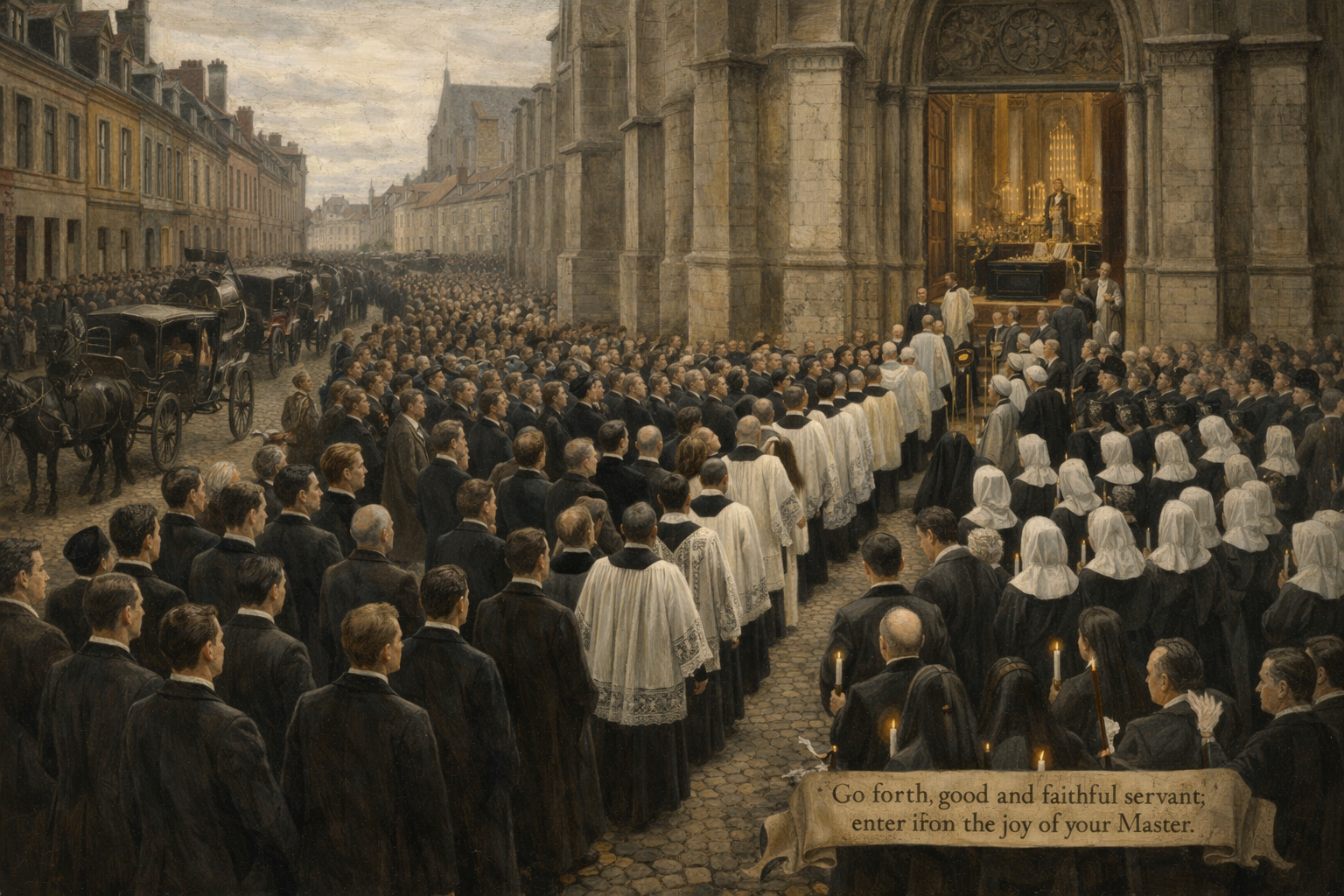
A contemporary account of his funeral paints a vivid picture: the streets around the church were filled with carriages and people walking to pay their respects. Several hundred former students processed into the church, joined by more than 200 Holy Union Sisters and Brothers, and 150 priests. The Scripture text chosen for the funeral sermon was fitting: "Go forth, good and faithful servant; enter into the joy of your Master."
In a letter of condolence written to Mother Archange Lebrun on February 25, 1880, a former student captured something essential about the man: "Do you know, Reverend Mother, what struck me most in your beloved Father? It was his humility."
By Maria Chiara De Lorenzo